Our Blog
Our Blog
The future of minimalist webdesign
The future of minimalist webdesign
Comments
No Comments
Author
Evokestudio
Post Date


Good design is obvious. Great design is transparent.

Marvin McKinney
Developer- JS

Good design is obvious. Great design is transparent.
Marvin McKinney
Developer- JS
Introduction
Minimalist web design has evolved from a trend into a core design philosophy for modern digital products. Businesses today want websites that load quickly, feel intuitive, and create strong visual impact without overwhelming users.
A clean interface helps users focus on what matters most. By reducing unnecessary elements and emphasizing clarity, brands can communicate more effectively while improving user experience.
What Is minimalist web design?
Minimalist web design focuses on simplicity, whitespace, typography, and functional elements. Instead of adding more visuals and animations, designers prioritize purpose-driven layouts.
Key characteristics
Clean and spacious layouts
Limited color palettes
Strong typography
Clear navigation
Purposeful imagery
Faster performance
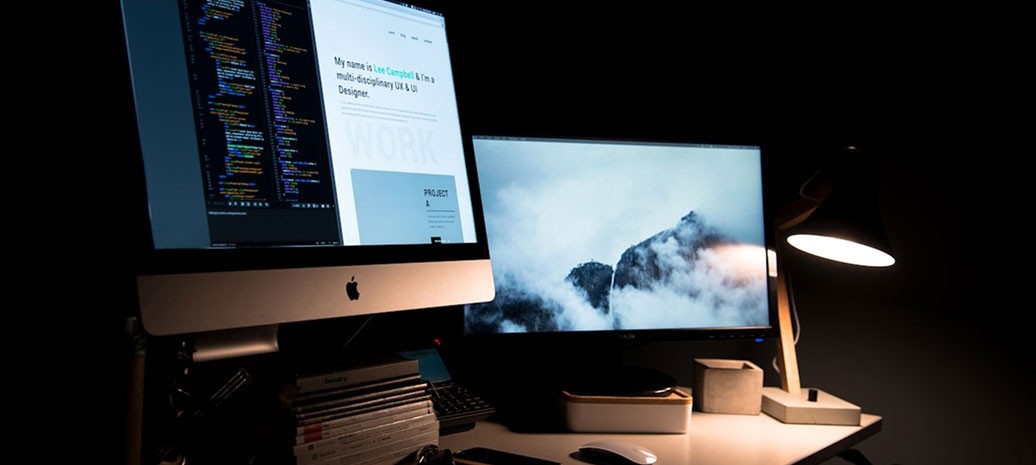
Why minimalism improves user experience
As products expand, design complexity grows. Without a scalable system, interfaces can quickly become inconsistent and difficult to maintain.
Benefits Include
Faster loading times
Better readability
Improved accessibility
Higher engagement
Minimal design creates a smoother digital journey and builds trust with users.
Typography becomes the hero
In minimalist interfaces, typography carries much of the visual identity. Strong font choices create hierarchy, improve readability, and establish brand personality.
Designers often use bold headings paired with balanced spacing to make content easier to scan.
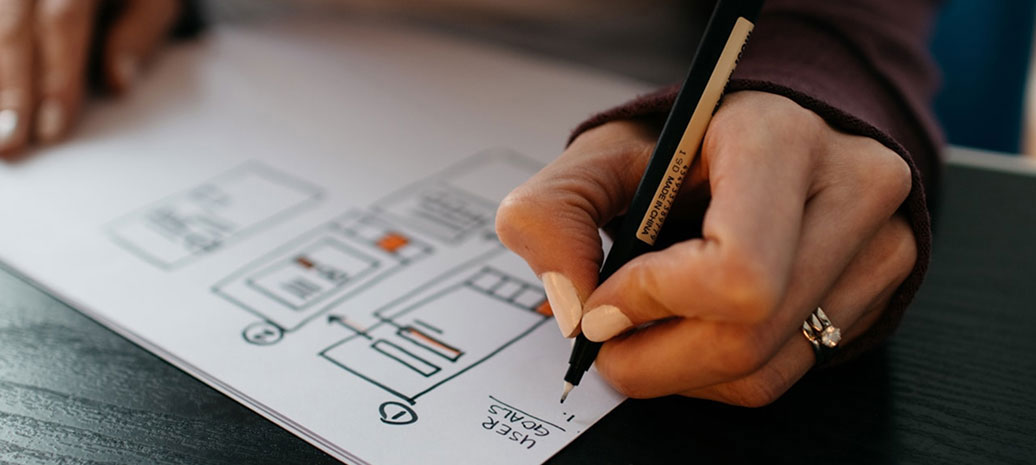
White space creates balance
White space is not empty space — it is a powerful design tool. Proper spacing improves focus and gives content room to breathe. Balanced layouts feel more premium, modern, and easier to understand.
Mobile-first simplicity
With most users browsing on mobile devices, minimalist design naturally supports responsive experiences. Simpler interfaces adapt better across different screen sizes.
Mobile-first layouts also improve performance and usability for all users.
Consistency strengthens branding
Minimalist websites rely heavily on consistency in colors, spacing, typography, and visual elements. This consistency builds a recognizable and professional brand identity.
When every page follows the same structure, users feel more confident navigating the website.

Final thoughts
Minimalist web design is more than a visual style — it is a strategy for creating faster, clearer, and more user-friendly digital experiences.
Brands that embrace simplicity often deliver stronger communication, better engagement, and more memorable experiences for their audience.
Introduction
Minimalist web design has evolved from a trend into a core design philosophy for modern digital products. Businesses today want websites that load quickly, feel intuitive, and create strong visual impact without overwhelming users.
A clean interface helps users focus on what matters most. By reducing unnecessary elements and emphasizing clarity, brands can communicate more effectively while improving user experience.
What Is minimalist web design?
Minimalist web design focuses on simplicity, whitespace, typography, and functional elements. Instead of adding more visuals and animations, designers prioritize purpose-driven layouts.
Key characteristics
Clean and spacious layouts
Limited color palettes
Strong typography
Clear navigation
Purposeful imagery
Faster performance
Why minimalism improves user experience
As products expand, design complexity grows. Without a scalable system, interfaces can quickly become inconsistent and difficult to maintain.
Benefits Include
Faster loading times
Better readability
Improved accessibility
Higher engagement
Minimal design creates a smoother digital journey and builds trust with users.
Typography becomes the hero
In minimalist interfaces, typography carries much of the visual identity. Strong font choices create hierarchy, improve readability, and establish brand personality.
Designers often use bold headings paired with balanced spacing to make content easier to scan.
White space creates balance
White space is not empty space — it is a powerful design tool. Proper spacing improves focus and gives content room to breathe. Balanced layouts feel more premium, modern, and easier to understand.
Mobile-first simplicity
With most users browsing on mobile devices, minimalist design naturally supports responsive experiences. Simpler interfaces adapt better across different screen sizes.
Mobile-first layouts also improve performance and usability for all users.
Consistency strengthens branding
Minimalist websites rely heavily on consistency in colors, spacing, typography, and visual elements. This consistency builds a recognizable and professional brand identity.
When every page follows the same structure, users feel more confident navigating the website.
Final thoughts
Minimalist web design is more than a visual style — it is a strategy for creating faster, clearer, and more user-friendly digital experiences.
Brands that embrace simplicity often deliver stronger communication, better engagement, and more memorable experiences for their audience.
Related articles
You may be interested to read these articles.
Related articles
You may be interested to read these articles.